
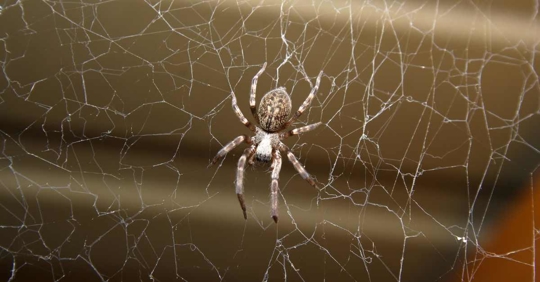
Living in Chicago means dealing with all sorts of things, from snowy winters to bustling city life. For homeowners, it also sometimes means sharing your living space with a few eight-legged residents: spiders. While the sight of a spider can send shivers down anyone's spine, most spiders you encounter indoors in Illinois are harmless and simply looking for a quiet corner to call home. But how do you tell the difference between a helpful pest controller and a potential problem that requires professional attention?
This guide is designed to help you identify common indoor spiders in Illinois, understand their habits, and know when it's time to stop worrying and start dialing for expert assistance. We want to empower you with the knowledge to feel safe and comfortable in your home, knowing exactly what to do when a spider appears.
Seeing more spiders than you'd like? Don't wait for them to multiply! Take action now to protect your home. Visit our dedicated spider control services page to learn how Aerex Pest Control can help.
Understanding Illinois's Common Indoor Spiders
Illinois is home to various spiders, and many of them can find their way indoors, especially as the weather changes. Here are some of the most frequent visitors you might encounter in your Chicago home:
Common House Spider (Parasteatoda tepidariorum)
This is arguably the most common spider found in homes across the U.S., including Chicago. They are typically yellowish-brown with a mottled pattern, and they build messy, irregular "cobwebs" in corners, under furniture, and in neglected areas. While they do produce venom to subdue their insect prey, their bites are rare and generally harmless to humans, often resulting in only a small, itchy red bump similar to a mosquito bite. They are more of a nuisance than a threat and actually help control other indoor pests.
Cellar Spiders (Pholcidae family)
Often referred to as "daddy long-legs" due to their extremely long, thin legs and small, oval-shaped bodies. These spiders are frequently found in basements, crawl spaces, and other damp, dark areas. They build loose, irregular webs and are generally very timid. Despite urban legends, their venom is not considered dangerous to humans, and their fangs are too small to easily penetrate human skin. They are beneficial as they often prey on other spiders and insects.
Wolf Spiders (Lycosidae family)
These are larger, hairy spiders that are often mistaken for more dangerous species due to their intimidating appearance and fast movements. Wolf spiders are hunters, meaning they don't spin webs to catch prey but instead actively stalk and pounce on insects. They are typically brown or gray, camouflaged to blend in with their surroundings. While their bites can be painful, similar to a bee sting, their venom is not medically significant to humans. They are more likely to flee than bite when disturbed.
Jumping Spiders (Salticidae family)
These small, compact spiders are easily recognizable by their large, forward-facing eyes and their jerky, "jumping" movements. They are highly agile hunters and can be quite curious, sometimes even turning to observe you. Many species are black with iridescent markings or bright colors. While they can bite if provoked, their venom is not harmful to humans, causing only mild irritation at most. They are fascinating to watch and pose no real threat.
Yellow Sac Spiders (Cheiracanthium species)
These spiders are pale yellow or greenish with a slightly translucent abdomen. Unlike many web-building spiders, they are active hunters at night, building small, silk "sacs" or retreats in corners, along ceilings, and behind furniture during the day. Their bites are sometimes described as more painful than a common house spider bite, occasionally leading to a red, itchy welt that might develop into a small blister, but serious complications are rare.
When to Be Concerned: Identifying Potentially Problematic Spiders
While most spiders in Illinois are harmless, there are two species that warrant more caution due to their venomous bites:
Brown Recluse Spider (Loxosceles reclusa)
The brown recluse is native to central and southern Illinois and is identifiable by its violin-shaped marking on its back, though this can sometimes be difficult to see. They are typically light to dark brown and have six eyes arranged in pairs, rather than the usual eight. Brown recluse spiders prefer dark, undisturbed areas like attics, basements, closets, and woodpiles.
Their bites can be medically significant, leading to a localized lesion that may blister and develop into an open sore or ulcer. Systemic reactions (fever, chills, nausea) are possible but less common. If you suspect a brown recluse bite, it's wise to seek medical attention.
Black Widow Spider (Latrodectus species)
While less common in northern Illinois than in the southern parts of the state, black widow spiders can occasionally be found in Chicago. The female black widow is easily recognized by her glossy black body and the distinct red or orange hourglass marking on her underside. They prefer secluded, undisturbed areas like woodpiles, sheds, and cluttered garages.
Black widow bites are painful and can cause muscle cramping, abdominal pain, nausea, and sweating. While rarely fatal, a black widow bite should always be treated as a medical emergency.
Recognizing Spider Bites and What to Do
Distinguishing a spider bite from other insect bites can be challenging, as symptoms often overlap. However, if you suspect a spider bite, especially from a potentially venomous species, here's what to look for and how to respond:
Common Symptoms of a Harmless Spider Bite:
- Mild pain or itching at the bite site.
- Redness and slight swelling.
- A small, raised bump.
Symptoms that May Indicate a More Serious Bite (Brown Recluse or Black Widow):
- Brown Recluse: Initial bite may be painless, followed by increasing pain, redness, and a blister that may turn purplish or dark blue. The blister might rupture, forming an open sore that heals slowly and can scar. Fever, chills, and body aches are also possible.
- Black Widow: Immediate sharp pain at the bite site, often described as a pinprick. Within minutes to hours, severe muscle cramping and stiffness may develop, particularly in the abdomen, back, and shoulders. Other symptoms can include nausea, vomiting, headache, dizziness, and sweating.
If you suspect a bite from a brown recluse or black widow, seek medical attention immediately. Clean the bite area with soap and water, apply a cold compress, and elevate the affected limb if possible.
When to Call for Professional Help
While a single spider sighting might not warrant a professional, there are definite signs that it's time to contact Aerex Pest Control for assistance:
- Frequent Sightings of Spiders: If you're consistently seeing multiple spiders indoors, it could indicate a larger underlying population or an entry point issue.
- Discovery of Egg Sacs: Each egg sac can contain dozens or even hundreds of spiderlings. If you find multiple egg sacs, particularly in hidden areas, a significant infestation may be brewing.
- Identification of Venomous Spiders: If you positively identify a brown recluse or black widow spider in or around your home, it's crucial to seek professional help. Attempting to handle these spiders yourself can be risky.
- Concerns for Family and Pets: For families with children or pets, the presence of spiders, even harmless ones, can be a source of anxiety. Professional intervention can provide peace of mind and a safer environment.
- Recurring Spider Problems: If you've tried DIY methods without success and spiders continue to be a persistent issue, a professional exterminator can identify the root cause and implement a more effective solution.
- Large or Widespread Infestation: When you have an overwhelming number of spiders, especially in hard-to-reach areas like attics, crawl spaces, or extensive basements, it's best to let trained professionals handle the problem.
Spiders are often misunderstood, and many are harmless or even helpful. However, when you encounter spiders that cause concern or potential risk, it is wise to act quickly. For families in the Chicago area, safety and peace of mind are priorities.
Contact Aerex Pest Control today by filling out our online contact form or calling (847) 255-8888 for expert help in identifying and managing spiders in your home.