

Rodent Control in Chicago
Rodent Control Backed by Chicago Experience Since 1948
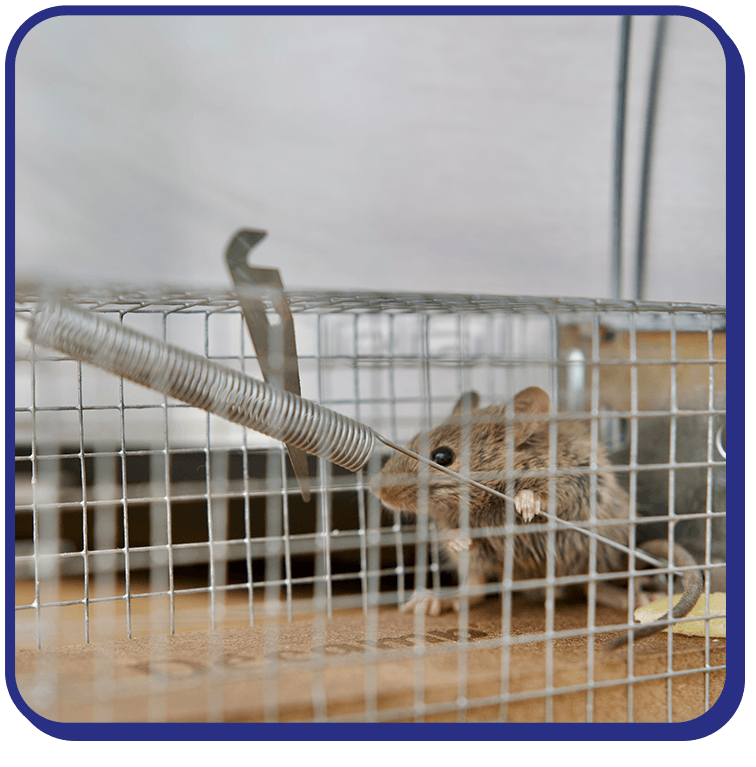
Droppings, gnaw marks, scratching sounds, nesting material, and sightings can point to activity elsewhere in a building. At Aerex Pest Control, we’ve been solving these problems for Chicago homeowners since 1948. Our rodent control begins by assessing visible evidence, concealed activity, likely entry points, and conditions that may be supporting the problem.
Treatment decisions depend on the type of rodent, where activity is concentrated, and how the animals are entering or moving through the property. We address rat and mouse problems with targeted methods intended to minimize pesticide use, then offer follow-up service to assess how the treatment is holding.
Don’t wait for the problem to grow. Call us today at (847) 255-8888, or contact us online for professional rat control service.
Rodent Activity in Chicago Properties
Rodents can move from exterior areas into a building through gaps around foundations, doors, vents, and utility penetrations. Basements and crawl spaces, wall voids, garages, storage areas, and concealed exterior spaces may provide access or shelter. Because activity can extend beyond the area where a rat or mouse was seen, an inspection should consider both indoor and outdoor conditions.
Food, moisture, clutter, unsecured waste, and dense vegetation near a structure can make a property more attractive to rodents. Entry-point prevention starts with identifying the specific openings and conducive conditions present at the property rather than relying on a one-size-fits-all checklist.
A rat or mouse sighting is a reason to assess the property instead of assuming the problem is limited to one animal. Rodents may remain concealed in wall voids, storage areas, basements, or other sheltered spaces while leaving evidence along their travel routes.
Rodent activity can create several concerns:
- Sanitation: Rodents can leave droppings, urine, hair, and nesting material near food, stored goods, and preparation surfaces.
- Wiring Damage: Gnawing can damage electrical wiring and create a potential fire hazard that requires appropriate evaluation.
- Material Damage: Rats and mice may gnaw stored items, insulation, wood, drywall, and food packaging.
- Cleanup Safety: Rodent-contaminated materials should be handled using appropriate safety practices rather than swept up or disturbed casually.
Our Inspection, Treatment & Follow-Up Process
Effective service means looking beyond the rodent that was seen. We begin with an assessment of pest activity and the conditions allowing rodents to enter, nest, feed, or remain on the property.
Our service may address the following areas:
- Activity Assessment: We inspect for evidence such as droppings, gnawing, nesting material, travel routes, and reported sightings.
- Entry-Point Review: We look for likely access around foundations, doors, vents, utility lines, and other building openings.
- Targeted Treatment: We use EPA-registered products and methods intended to minimize pesticide use while addressing the identified activity.
- Prevention Guidance: We review relevant attractants, harborage, and openings that may need attention.
- Follow-Up Service: We assess how treatment is holding and whether activity or conducive conditions remain.
We’re fully bonded and insured.
Why DIY Rat Control Falls Short
Handling a rat problem on your own may address an individual rodent without identifying how rodents are entering or where activity is concentrated. Improper placement or handling of traps and rodent-control products can also create risks for children, pets, and non-target animals.
Professional rodent removal combines an assessment of the activity with targeted treatment, prevention guidance, and follow-up. It’s particularly useful when sightings recur, activity is hidden or widespread, or droppings and gnawing indicate sanitation or property concerns.
Why Chicago Homeowners Choose Our Rodent Control
When you’re dealing with rats or mice, credentials matter. Here’s what supports our service:
- More Than 70 Years of Experience: We’ve served the Chicago area since 1948 and bring that pest-control history to each assessment.
- IDPH-Certified Technicians: Our technicians are certified by the Illinois Department of Public Health and trained under Dr. George Rotramel, a leading entomologist.
- Safety-Focused Treatment: We use EPA-registered products and methods that require the least pesticide necessary to get the job done.
- Customizable Maintenance Plans: We offer maintenance options that can be matched to the property’s pest-control needs.
- Service Guarantee: We stand behind our work.
- A+ BBB Rating: We hold an A+ rating from the Better Business Bureau and are a member of the National Pest Management Association.
- Affordable Pricing & Free Estimates: We provide free estimates so you can understand the recommended service before moving forward.
We’re a family-owned business with a strong referral base.
Ready to get rid of rats? Call us at (847) 255-8888, or contact us online to schedule your free estimate.
Rodent Prevention for Chicago Properties
Keeping rodents out is easier than removing them once they’ve settled in. Prevention should focus on the openings, food sources, moisture, and nesting conditions identified around the property.
Inspect your home’s exterior for cracks and gaps, especially around utility pipes, windows, doors, vents, and the foundation. Rats can squeeze through a gap as small as a quarter, so appropriate openings should be sealed with materials suited to the location. Inside, store food in airtight containers, clean up crumbs and spills, fix leaky pipes, and reduce clutter in attics, basements, and storage areas. Outside, trim vegetation near the foundation and keep garbage in secure containers to reduce harborage and food access close to the building.
-
70+ Years of Industry Experience
-
Effective & Informative Communication
-
Service With Integrity
-
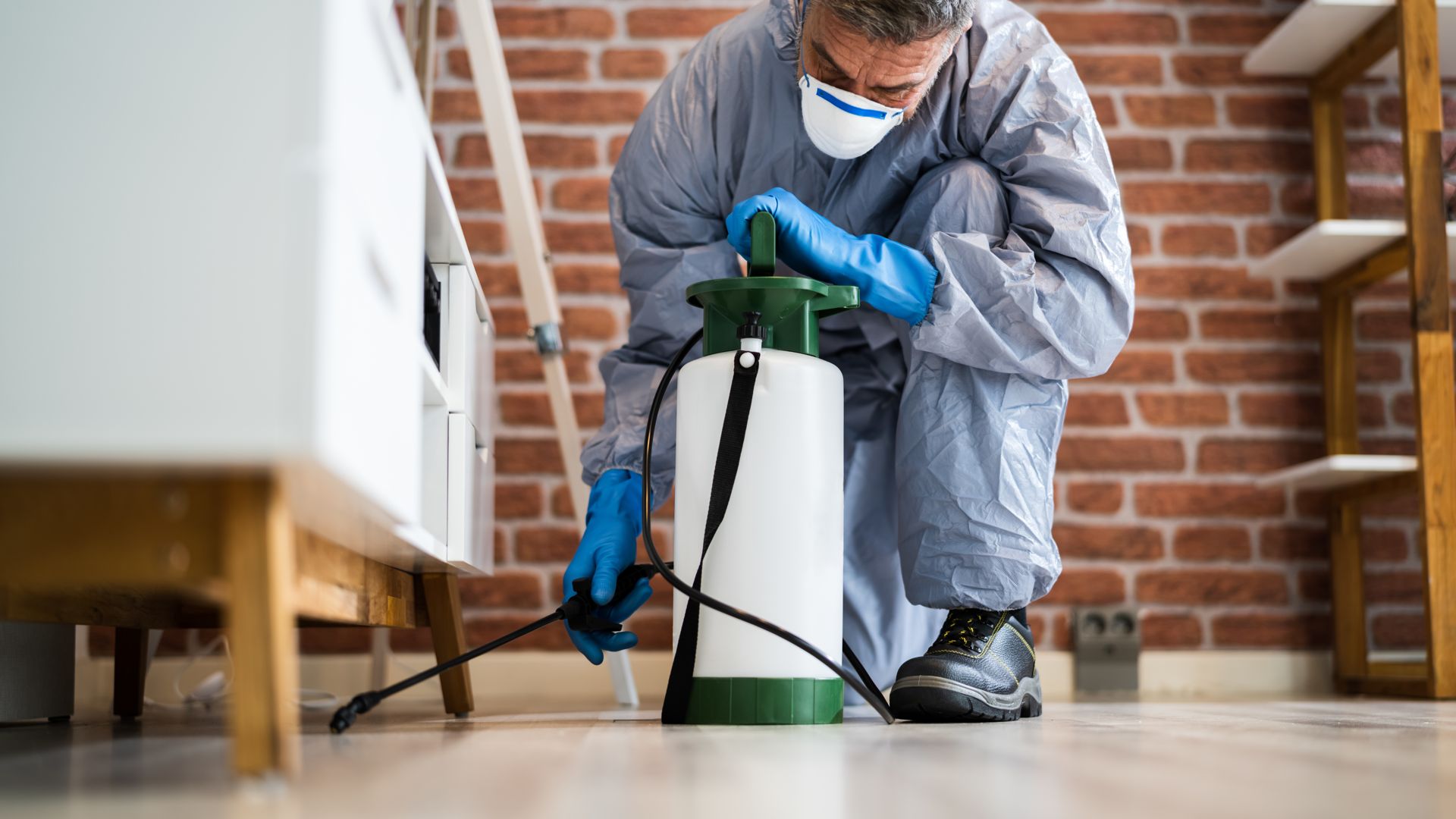
 InspectionBefore performing any pest control treatments, we’ll carefully inspect your home for pest activity and conducive conditions. This inspection allows us to understand your main pest pressures so we can target these issues.
 -
TreatmentWe design our treatments to eliminate active pest problems and prevent future pest problems. We do this by applying a barrier of protection around your house to stop pests in their tracks.
-
Follow-UpBy returning to your house twice a year, we can provide you with the services you need to keep your home pest-free. This schedule allows you to receive pest control that is as affordable as it is effective.




.2606150138166.jpg)
.2603302129535.jpg)
.2603302119359.jpg)