
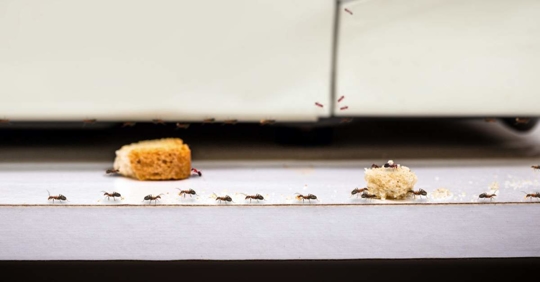
As temperatures start climbing in the Greater Chicagoland area, ants emerge from their winter hiding spots and begin searching for food and water. Your home becomes a prime target during this transition period, when these tiny invaders are most active and aggressive in establishing new colonies. Understanding how ants behave in early spring and taking proactive steps now can save you from dealing with a full-blown infestation later.
Don't wait for ants to take over your home this spring. Contact Aerex Pest Control today through our online contact form or call (847) 255-8888 to schedule a prevention inspection.
Why Ants Invade Homes in Early Spring
Ants don't simply appear out of nowhere when the weather warms up. Throughout winter, ant colonies survive in a dormant state underground or in protected areas near your home's foundation. When soil temperatures rise above 50 degrees Fahrenheit, which typically happens in late March or early April in the Chicagoland area, worker ants become active and start foraging for food.
Spring also coincides with the season when ant colonies expand rapidly. Queen ants begin laying eggs at an accelerated rate, which means the colony needs significantly more food to support growing larvae. This increased demand drives worker ants to venture farther from the nest, often leading them straight into your kitchen, pantry, or bathroom.
Heavy spring rains create another problem. When soil becomes waterlogged, outdoor ant colonies may relocate to drier locations, and your home's walls, basement, or crawl spaces offer ideal refuge. Even a small gap or crack in your foundation becomes an open invitation.
Common Ant Species in Greater Chicagoland
Knowing which ants you're dealing with helps you understand their behavior and what attracts them to your property. Different species have different food preferences and nesting habits.
Odorous House Ants
These small brown or black ants are the most common indoor invaders in our area. They get their name from the rotten coconut smell they release when crushed. Odorous house ants prefer sweet foods and often establish satellite colonies inside wall voids. They're particularly troublesome because a single colony can contain thousands of workers and multiple queens.
Carpenter Ants
Carpenter ants are larger than most other species and can cause structural damage to your home. Unlike termites, they don't eat wood but excavate it to create nesting galleries. You'll typically spot them near moisture-damaged wood, as they prefer softened lumber. Carpenter ants often forage at night, so you might not see them during daylight hours even if they're present.
Pavement Ants
These ants build their nests in or under cracks in pavement, concrete slabs, and foundations. They're particularly active in early spring and will enter homes through tiny openings in basement floors or ground-level walls. Pavement ants eat almost anything but show a strong preference for greasy or protein-based foods.
Early Warning Signs of Ant Activity
Catching ant problems early makes intervention much more effective. Watch for these indicators that ants are becoming active around your property:
- Scout ants: One or two ants exploring your kitchen counters or bathroom are scouts looking for food and water sources to report back to the colony
- Ant trails: Lines of ants moving along baseboards, windowsills, or outside foundation walls indicate an established foraging route
- Frass piles: Small piles of wood shavings mixed with insect body parts signal carpenter ant activity
- Winged ants: Flying ants emerging indoors mean a mature colony is nearby and preparing to establish new nests
- Rustling sounds: Faint rustling noises in walls, especially at night, may indicate a large carpenter ant colony
If you notice any of these signs, the problem is already underway. The sooner you address it, the easier containment becomes.
Prevention Steps for Homeowners
Taking action before ants establish themselves in your home is far more efficient than treating an existing infestation. These practical steps create barriers and eliminate attractions that draw ants inside.
Seal Entry Points
Ants can squeeze through openings as small as 1/32 of an inch. Walk around your home's exterior and look for gaps or cracks in the foundation, around utility pipes, near windows and doors, and where siding meets the foundation. Use silicone-based caulk for small cracks and expanding foam for larger gaps. Don't forget to check weatherstripping around doors and replace it if it's worn or damaged.
Eliminate Food Sources
Ants are attracted to even the smallest crumbs or spills. Store all food in airtight containers, including pet food. Wipe down counters daily and sweep floors regularly, paying special attention to areas under appliances. Take garbage out frequently and keep trash cans clean. If you have fruit trees or vegetable gardens, promptly remove fallen fruit or overripe produce.
Address Moisture Issues
Many ant species need water to survive, and moisture damage creates ideal nesting conditions for carpenter ants. Fix leaky faucets, pipes, and roof areas. Ensure gutters and downspouts direct water at least six feet away from your foundation. Use dehumidifiers in basements or crawl spaces where humidity levels stay high. Replace any water-damaged or rotting wood around your home's exterior.
Create a Barrier Zone
Ants typically travel from outdoor nests into your home, so creating an inhospitable zone around your foundation helps interrupt this movement. Trim tree branches and shrubs so they don't touch your home's exterior, as these create bridges for ants. Keep a one-foot gap between mulch or soil and your home's siding. Remove debris piles, firewood stacks, and dense vegetation from areas adjacent to your foundation.
Why DIY Treatments Often Fall Short
Many homeowners try over-the-counter ant sprays or baits when they first spot ants, but these products typically only address symptoms rather than solving the underlying problem. Spraying visible ants might eliminate the workers you see, but it doesn't affect the colony, which can contain thousands of ants and multiple queens safely tucked away in a nest.
Store-bought baits can work for small, isolated problems, but proper placement and product selection require understanding ant biology and behavior. Using the wrong bait type or placing it incorrectly often causes colony budding, where a single colony splits into multiple smaller colonies that spread throughout your home. This fragmentation makes the infestation worse rather than better.
Professional ant control takes a comprehensive approach that identifies the ant species, locates nesting sites, and implements targeted treatments that eliminate the entire colony. Professionals also have access to commercial-grade products that work more effectively than consumer options.
The Value of Professional Inspection
A thorough inspection by trained technicians reveals conditions that attract ants and identifies active nesting sites you might miss. Professionals know where different ant species typically nest and what signs to look for during early spring when colonies are just becoming active.
During an inspection, technicians examine your home's exterior for entry points, moisture problems, and conducive conditions. They check interior areas where ants commonly appear, including kitchens, bathrooms, and utility rooms. They also assess your property's landscaping and identify modifications that would reduce ant pressure on your home.
Based on their findings, professionals can recommend home pest control strategies tailored to your specific situation. This might include targeted treatments, exclusion work, moisture control recommendations, or ongoing monitoring to catch problems before they escalate.
Take Action Before Ants Take Over
Spring ant prevention requires vigilance and proactive measures, but the effort pays off in avoiding the frustration and expense of dealing with established infestations. By understanding what attracts ants to your Chicagoland home and implementing preventive strategies now, you can enjoy warmer weather without uninvited guests.
Aerex Pest Control has served Greater Chicagoland homeowners for decades with comprehensive pest prevention and control solutions. Our trained technicians understand local ant species and know how to protect your home throughout the spring season and beyond.
Don't let ants ruin your spring—contact us through our online contact form or call (847) 255-8888 to schedule your prevention inspection today.